Email Us: boys2menyouthprograms@gmail.com
Call Us: (515) 771-1639


A boy learns how to be a man the same way he learns how to walk, by watching someone do it first. When no man lives in the house, he still looks for that example. He might find it in a coach who yells encouragement from the sideline, an uncle who visits on weekends, or a mentor who shows up on time.
You can spot the importance of male role models for boys in the small things he does without thinking. It shows up in how he shakes a hand, how he takes a loss on the field, and how he talks to his mom when he is upset. This blog looks at what happens when a steady man finally steps into that space.
The gap left by an absent father shows up faster than most people expect.
A boy without a father figure often carries feelings he cannot name yet. He may act tough on the outside while feeling unsure underneath, and he rarely says so out loud. This does not make him weak; it makes him human, and he needs someone patient enough to notice the difference before it hardens into a habit.
Boys raised without a present father figure sometimes react to frustration with anger instead of words. Fatherhood.org points out that involved fathers tend to lower behavior problems in middle childhood, which shows how much a steady male presence shapes self-control before it becomes a habit. Without that model close by, a boy is left guessing at how to handle setbacks calmly.
Schoolwork can slide when a boy has no one at home modeling discipline and follow-through. A teacher can push a lesson plan, but a boy also needs someone outside the classroom who checks in and asks how his day actually went. That kind of attention keeps small struggles from turning into bigger ones.
A boy who feels unseen at home will look for that sense of belonging somewhere else, and he is not always picky about where he finds it. Older peers, unstructured street time, or online spaces can start to fill a role no one meant for them to fill. A steady adult presence gives him a safer place to belong instead.
A mentor cannot take the place of a father, and that is not the purpose. What matters is that boys have positive male figures who can guide them, support them, and show them healthy ways to handle life. A mentor who shows up week after week teaches a boy what patience looks like, what an apology sounds like, and what it means to keep a promise, and those lessons stick because they are lived out in front of him rather than explained from a distance.
Research from MENTOR shows that young people matched with mentors are more likely to take on leadership roles and stay involved in school activities. That kind of steady attention builds a boy’s sense that someone believes in him, and belief is often the spark a boy needs to try harder, raise his hand in class, or finish what he starts.
A boy who has structure at home tends to carry it everywhere else too, and Boys 2 Men Youth Programs builds that structure through our youth mentoring programs designed around leadership and accountability. Visit us today for a program built to help him grow into the man he is meant to become!
The effect of a good role model rarely stops at childhood.
A boy watches how his mentor handles stress far more than he listens to advice about it. When a mentor stays calm during a setback, the boy quietly absorbs that response and starts to copy it in his own life, often without realizing he is doing it.
Boys grow when someone holds a standard for them and sticks to it. A mentor who expects honesty, effort, and respect gives a boy a target to aim for, and boys tend to rise toward whatever standard is placed in front of them, especially once they know it will not move.
The way a mentor treats other people teaches a boy more than any lecture could. He notices how his mentor speaks to women, to coworkers, and to people who disagree with him, and he files that away for later use in his own relationships.
Confidence grows from small wins that add up over time. A mentor who notices effort and praises progress helps a boy trust his own ability instead of doubting it at every turn, and that trust carries into places far beyond the mentoring session itself.
Life at home can feel unpredictable for a boy without a father figure. A mentor who shows up on the same day, at the same time, gives that boy something solid to count on, and that steadiness alone carries weight long after the visit ends.
Community programs step into a role that once belonged to a dad, a coach, or an uncle who lived close by.
Group mentoring, sports leagues, and after-school programs give boys access to male guidance even when no man lives in the home. The National Institute of Justice has rated mentoring as effective for reducing delinquency, which speaks to how much a caring adult can redirect a boy’s path before small problems turn into bigger ones.
A mentor does not need to have every answer. He needs to show up, listen, and stay in a boy’s life long enough for trust to build, since boys test new adults before they open up to them. That testing period passes only when the mentor keeps returning.
Change in a boy who lacks a father figure rarely happens overnight, and a good mentor plans for that pace instead of fighting it. Small shifts, such as a calmer reaction, a finished assignment, or a quieter week, are the real markers of growth worth watching for.
Real progress often comes from simple steps repeated over time.
A father’s absence leaves a mark, but it does not have to define a boy’s future. A boy needs to watch a man show up, stay patient, and keep his word. That is the importance of male role models for boys, plain and simple. Mentorship gives him that chance up close, in real time, from someone who chooses to stay. Boys who receive that kind of attention grow into men who pass the same patience on to the next generation, and that ripple effect is worth every hour a mentor puts in.
Boys who need that steady presence deserve it now, not later. Boys 2 Men Youth Programs builds its mentoring program for boys around leadership, accountability, and mentors who keep showing up long after the first meeting. Reach out to us today!
The weekly after-school sessions actively promote teamwork, leadership, and personal responsibility, and offer 5th-grade boys opportunities to engage.




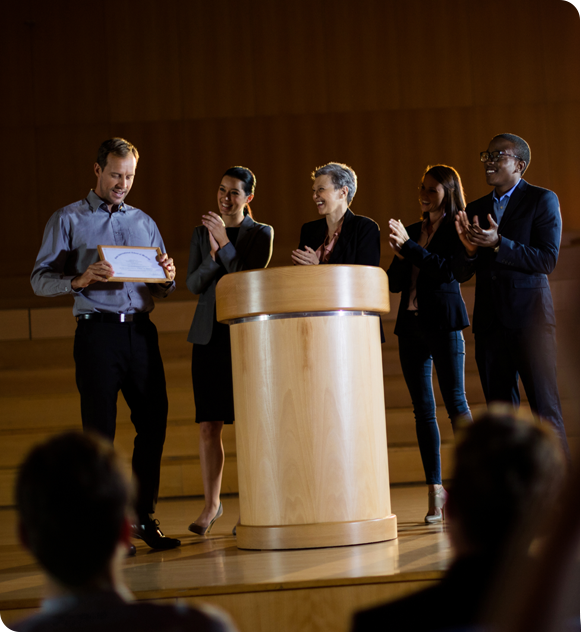
Finally, Boys 2 Men provides a celebratory event for all its participants who make it to the end of the year. At the conclusion of the event, each youth receives a Leadership trophy commemorating their successful completion of the program. They also receive their Boys 2 Men Youth Programs t-shirt, dinner, and tickets to attend activities such as Sky-Zone or Go-Cart riding as one way to continue to expose them to other ways to have fun. On average, we celebrate nearly 40 students each year. We also recognize our nearly 10 volunteers who have helped us make it through the years.
Funding is very important and needed for our organization to continue providing programming in the Des Moines community. We could definitely use donations of any amount to continue our programming of football camps, camping, tours to historical sites, local sporting events, snacks, meals and drinks, t-shirts, games, supplies, and a host of other necessities as we continue to be proactive in our efforts to save our youth. This is important because programming and all activities are 100% free to all participants.


Do you want to join the team, volunteer, donate, or have questions? Let us know!
© 2026 – All Right Reserved Boys 2 Men Youth Programs.