Email Us: boys2menyouthprograms@gmail.com
Call Us: (515) 771-1639

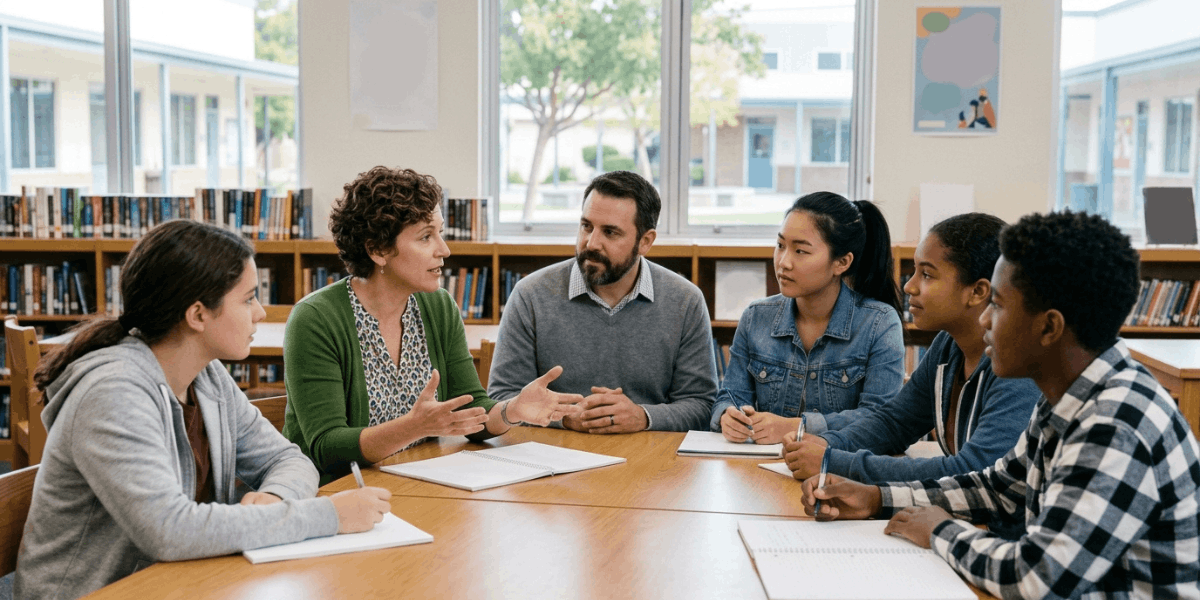
Strong communities grow through partnerships that help young people succeed in school and life. Schools provide academic support, while community mentoring organizations offer guidance, confidence-building, leadership development, and positive role models. Together, they create stronger support systems for students facing challenges such as peer pressure, low self-esteem, or social difficulties. Teachers often identify these concerns first, while mentors provide additional encouragement and personal guidance.
Research shows that consistent mentoring can improve attendance, behavior, relationships, and confidence. By working together, schools and community organizations help students overcome obstacles and develop skills for long-term success.
Schools and community organizations each bring valuable strengths to youth development. Teachers interact with students every day and understand their academic progress, while mentors focus on building trust, life skills, and emotional resilience outside regular classroom instruction. Together, these relationships create a more complete support network for children who need additional encouragement.
Successful school and community mentoring partnerships create consistency between home, school, and community life. When teachers, counselors, mentors, and families communicate regularly, students receive the same positive messages about responsibility, respect, and goal setting. This unified approach reduces confusion and encourages young people to make healthier choices both in and outside school.
These partnerships also allow schools to connect students with resources that extend beyond academics. Community organizations often provide leadership opportunities, mentoring sessions, family support services, and character development activities that complement classroom learning.
Although schools and mentoring programs serve different roles, their goals often align closely. Both aim to help students become responsible, confident, and successful individuals who contribute positively to their communities.
Some of the shared goals include:
Schools play a major role in creating successful mentoring partnerships by connecting students with trusted community resources. When administrators, teachers, and counselors work closely with mentoring organizations, they can identify students who may benefit from additional guidance and support.
Teachers and school counselors often notice early signs that a student may need extra encouragement, such as changes in behavior, academic struggles, or reduced classroom engagement. By recognizing these needs early, schools can connect students with appropriate mentoring opportunities that support personal and academic growth.
Clear communication helps ensure that educators and mentors work toward the same goals. Schools can support mentoring programs by providing meeting spaces, coordinating activities, and sharing relevant academic updates with parent approval. This collaboration allows mentors to better understand student needs while reinforcing positive habits.
Professional development helps school staff understand the value of mentorship and how these programs support students’ growth. When educators recognize the role of mentors, they can create stronger connections between classroom learning and real-world guidance.
Schools can strengthen youth support by connecting students with Boys 2 Men Youth Programs, which provides mentoring programs for boys focused on structured guidance, leadership development, and positive role models that help students build confidence and make better decisions.
Teachers are often among the first adults to recognize changes in a student’s behavior, attendance, or academic performance. Because they interact with students daily, they can identify early warning signs that may indicate a need for additional support.
By working closely with community mentors, teachers can share general observations, celebrate student progress, and reinforce positive behaviors introduced through mentoring programs. This partnership creates consistency for students and helps them feel supported across different environments.
Teachers also encourage participation by recognizing achievements, motivating students to stay engaged, and helping families understand the benefits of mentorship. Their encouragement often increases student confidence and willingness to participate in mentoring activities.
School counselors serve as important connections between students, families, educators, and community organizations. They understand students’ emotional, academic, and social needs while helping coordinate services that promote overall well-being.
Strong mentoring program collaboration with school counselors allows mentoring organizations to better understand the types of support students may need while maintaining appropriate privacy and professional standards. Counselors can also recommend mentoring opportunities that match individual student needs and continue monitoring progress throughout the school year.
This collaborative approach creates a stronger foundation for long-term student success because every adult involved shares responsibility for encouraging positive growth and helping students overcome challenges.
Consistent communication is one of the most important factors in successful mentoring partnerships. When schools and community organizations communicate regularly, students receive unified guidance instead of conflicting expectations.
Simple communication strategies such as scheduled progress meetings, shared goals, and regular parent updates help everyone stay informed about student development. These conversations also allow mentors and educators to celebrate achievements while identifying areas where additional encouragement may be beneficial.
As trust develops between schools and mentoring organizations, students experience greater stability and feel more confident knowing that multiple caring adults are working together to support their success.
School-based mentoring programs give students consistent access to trusted adults who provide guidance, encouragement, and support.
Regular interaction with mentors helps students recognize their strengths and develop greater self-confidence. Positive encouragement allows them to approach challenges with a healthier mindset.
Mentorship supports better academic habits by encouraging attendance, responsibility, and goal setting. Students often become more focused and motivated when they have consistent guidance.
Mentors help students improve communication, manage emotions, and handle challenges in constructive ways. These skills support healthier relationships with peers and teachers.
When students feel supported, schools often experience stronger engagement and improved behavior. Mentoring creates a culture of encouragement, accountability, and personal growth.
Community mentoring organizations bring valuable resources that complement classroom learning. While schools focus primarily on academic instruction, mentors often have more opportunities to guide students through personal challenges, life skills, and leadership development. Together, these forms of support create a more complete approach to youth development.
Many community organizations partnering with schools also provide after-school activities, family engagement opportunities, volunteer support, and enrichment programs that reinforce positive values. These experiences help students practice teamwork, responsibility, and respectful communication in real-life situations. As students build stronger relationships with mentors, they gain confidence in their ability to overcome obstacles and make positive decisions.
These organizations also help schools reach students who may need additional encouragement outside normal classroom hours. This continued support strengthens the connection between education, family involvement, and community responsibility.
One of the greatest advantages of school and community collaboration is the consistency it creates across different parts of a child’s life. Students perform better when they receive similar expectations and encouragement from parents, teachers, counselors, and mentors.
Consistent messaging reinforces positive habits such as attending school regularly, respecting others, completing assignments, and making responsible decisions. When children hear these values from multiple trusted adults, they are more likely to adopt them as daily habits rather than temporary expectations.
Parents also benefit from these partnerships because they gain access to additional support systems that reinforce family goals. Regular communication between mentors and families helps everyone celebrate progress while identifying new opportunities for growth.
Strong mentoring partnerships share several common qualities that contribute to positive outcomes for students. Clear communication, shared goals, mutual respect, and regular collaboration help create stable support systems that encourage healthy development.
Successful partnerships also recognize the importance of each participant’s role. Teachers provide academic guidance, counselors coordinate student support, families reinforce positive habits at home, and mentors offer additional encouragement through trusted relationships. Each person contributes to a larger network focused on helping students succeed.
Organizations that invest time in maintaining these relationships often see stronger student engagement, improved confidence, and more consistent behavioral progress throughout the school year.
The positive impact of mentoring partnerships often continues long after students complete a program. Consistent guidance from educators and mentors helps young people build confidence, stronger communication skills, healthier relationships, and better decision-making abilities.
Mentorship also encourages students to set goals, stay committed to personal growth, and develop a sense of responsibility that benefits them throughout school, careers, and community life. Schools benefit as well, as supported students often engage more in learning, participate more actively in activities, and contribute to a more positive classroom environment.
Schools and community mentoring organizations each provide valuable support for young people, but their greatest impact comes when they work together. Through consistent communication, shared goals, and trusted relationships, students receive guidance that supports both academic achievement and personal development. This collaborative approach helps young people build confidence, improve behavior, strengthen relationships, and prepare for future success.
By combining classroom learning with meaningful mentorship, communities create stronger support systems that encourage students to overcome challenges and reach their full potential. Boys 2 Men Youth Programs provides at-risk youth mentoring programs that help young boys build confidence, develop leadership skills, and receive the guidance needed to create a positive future. Connect with Boys 2 Men Youth Programs today to support meaningful growth in the community.
The weekly after-school sessions actively promote teamwork, leadership, and personal responsibility, and offer 5th-grade boys opportunities to engage.




Finally, Boys 2 Men provides a celebratory event for all its participants who make it to the end of the year. At the conclusion of the event, each youth receives a Leadership trophy commemorating their successful completion of the program. They also receive their Boys 2 Men Youth Programs t-shirt, dinner, and tickets to attend activities such as Sky-Zone or Go-Cart riding as one way to continue to expose them to other ways to have fun. On average, we celebrate nearly 40 students each year. We also recognize our nearly 10 volunteers who have helped us make it through the years.
Funding is very important and needed for our organization to continue providing programming in the Des Moines community. We could definitely use donations of any amount to continue our programming of football camps, camping, tours to historical sites, local sporting events, snacks, meals and drinks, t-shirts, games, supplies, and a host of other necessities as we continue to be proactive in our efforts to save our youth. This is important because programming and all activities are 100% free to all participants.



Do you want to join the team, volunteer, donate, or have questions? Let us know!
© 2026 – All Right Reserved Boys 2 Men Youth Programs.