Email Us: boys2menyouthprograms@gmail.com
Call Us: (515) 771-1639

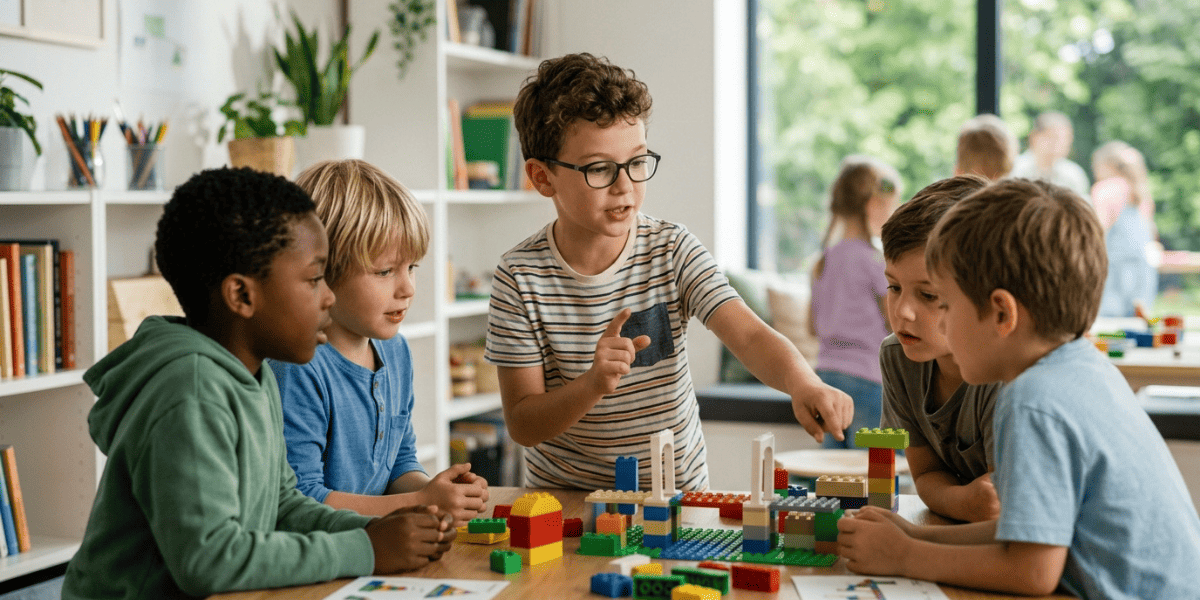
Leadership is not a skill that suddenly appears during adulthood. It begins developing much earlier through daily experiences, guidance, and positive interactions. Young boys absorb lessons about responsibility, communication, and confidence long before they step into future careers or leadership positions. That is why teaching leadership to youth in the early years matters more than many people realize.
Leadership education during childhood is not about teaching authority or control. It focuses on building character, empathy, communication, and responsibility. Those qualities often shape future success in school, relationships, careers, and community involvement.
Childhood is one of the most important stages of emotional and social development. During these years, boys begin learning how to communicate, respond to challenges, and understand their role within groups and communities. Young boys naturally observe the behavior of adults, teachers, coaches, and peers. Those observations slowly shape their own actions. Elementary and middle school years are especially important because boys begin building self-confidence during this stage.
Encouraging leadership opportunities early can help them become more comfortable expressing ideas, working with others, and making thoughtful decisions. Early leadership education also helps boys understand accountability. Learning that actions carry consequences teaches responsibility in practical ways. Another important factor is emotional growth. Boys sometimes struggle with expressing emotions openly because of social expectations.
Leadership involves many different qualities, and boys can begin learning these skills at a surprisingly young age. Structured activities, mentorship, and positive guidance help boys practice these habits in everyday situations.
Effective communication is one of the most important leadership skills a child can develop. Boys who learn how to express themselves respectfully often build stronger relationships with peers, teachers, and family members.
Teamwork also teaches boys how to support group success rather than focusing only on individual recognition. Sports teams, school projects, and community programs all create opportunities for boys to practice collaboration and patience. These lessons strengthen leadership skills for boys by helping them understand how positive communication influences relationships and group success.
Leadership requires responsibility. Young boys benefit greatly when adults give them age-appropriate responsibilities that encourage independence and accountability. These experiences help boys understand the importance of reliability and personal growth.
Accountability also teaches problem-solving skills because children learn how to correct mistakes rather than avoiding responsibility.
Confidence develops gradually through encouragement and positive experiences. Boys who receive support while making decisions often become more comfortable handling challenges independently. Guided decision-making also teaches boys to think critically about consequences and outcomes. Over time, this improves judgment and emotional maturity.
Confidence does not mean perfection. It means believing in the ability to learn, adapt, and improve through experience.
Respect and empathy are essential leadership qualities that should be introduced early. Boys who understand the importance of kindness and patience often build healthier relationships throughout life.
Teaching boys to value respect also improves classroom behavior, teamwork, and social interactions. These lessons create more thoughtful and emotionally aware future leaders.
Mentorship can shape a young boy’s life in meaningful ways. Positive mentors provide guidance, encouragement, and stability during important developmental years. Mentors influence behavior through daily interactions. Boys often imitate what they observe, especially when they admire the person providing guidance. A mentor who demonstrates patience, accountability, and respect can encourage those same qualities in young boys.
Many boys face emotional or social challenges during childhood. Mentorship helps them manage those situations in healthier ways by offering guidance rather than criticism. Supportive mentorship also strengthens youth leadership development by encouraging boys to recognize their strengths and potential. When adults consistently encourage positive behavior and personal growth, boys begin developing confidence in their abilities.
Leadership programs can significantly impact the lives of at-risk youth. Boys facing academic struggles, behavioral challenges, or difficult home environments often benefit greatly from positive guidance and structured support systems.
Programs focused on leadership development create opportunities for boys to build confidence and improve social behavior.
| Leadership Development Area | Positive Impact on Young Boys |
| Communication Skills | Improved social interaction and teamwork |
| Emotional Growth | Better self-control and empathy |
| Accountability | Increased responsibility and discipline |
| Academic Motivation | Stronger classroom participation |
| Mentorship Support | Positive behavioral guidance |
| Community Engagement | Greater sense of belonging |
Organizations focused on developing leadership skills in children often create environments where boys feel supported, respected, and motivated to grow. Families looking for structured mentorship and positive youth guidance can learn more about our mission at Boys 2 Men Youth Programs and how community involvement supports leadership growth among young boys.
Leadership development does not require complicated programs or expensive resources. Many leadership lessons can begin through everyday experiences at home, school, and within the community.
Simple responsibilities teach boys accountability and discipline. Small tasks completed consistently help children understand commitment and reliability. Examples include:
These responsibilities help boys recognize the importance of contributing to family and community life.
Group activities provide valuable leadership experiences. Sports teams, clubs, volunteer opportunities, and mentoring programs encourage cooperation and communication. Boys learn teamwork, patience, problem-solving, respect for others, and conflict resolution. Participation in young leaders’ programs can also strengthen social confidence while helping boys build healthy friendships and positive habits.
Recognition and encouragement play a major role in childhood development. Boys often respond positively when adults acknowledge effort, improvement, and responsible behavior. Positive reinforcement can include verbal praise, celebrating achievements, encouraging persistence, or rewarding teamwork and kindness. Encouragement helps boys feel valued while motivating continued growth.
Children need supportive environments where mistakes become learning opportunities instead of sources of embarrassment. Boys develop stronger emotional resilience when adults guide them through challenges calmly and respectfully.
Safe environments encourage honest communication, emotional expression, healthy problem-solving, and personal growth. Supportive communities help boys feel secure while developing leadership habits gradually over time.
Parents interested in supportive mentorship opportunities can take help from Boys 2 Men Youth Programs as our positive after-school sessions are designed to help young boys to build confidence, responsibility, and leadership skills.
Leadership helps young boys develop confidence, communication skills, accountability, and emotional awareness. These qualities support healthy social behavior, academic success, and future personal growth.
Leadership development can begin during early childhood. Simple responsibilities, teamwork activities, and positive guidance help children build leadership habits gradually over time.
Parents can encourage leadership by giving boys age-appropriate responsibilities, promoting respectful communication, recognizing positive behavior, and allowing children to make guided decisions.
Youth leadership programs help boys improve teamwork, confidence, communication, emotional control, and accountability while providing positive mentorship and structured support.
Mentorship gives boys positive role models who demonstrate responsibility, respect, and discipline. Consistent guidance helps boys build confidence, improve behavior, and develop healthier decision-making skills.
Leadership development begins much earlier than many people realize. Childhood experiences shape confidence, communication habits, emotional growth, and decision-making skills that often remain throughout adulthood. When boys receive positive guidance during these formative years, they gain stronger tools for handling challenges and building healthy relationships. Teaching leadership during childhood is not about creating authority figures. It focuses on helping boys become responsible, respectful, confident, and compassionate individuals.
Parents, educators, mentors, and youth organizations each play an important role in helping boys recognize their potential. Even small opportunities for responsibility and teamwork can create lasting personal growth over time. Investing in leadership development today helps create stronger futures for young boys, their families, and their communities. Positive support during childhood can inspire boys to grow into thoughtful adults who lead with integrity, accountability, and confidence.
The weekly after-school sessions actively promote teamwork, leadership, and personal responsibility, and offer 5th-grade boys opportunities to engage.




Finally, Boys 2 Men provides a celebratory event for all its participants who make it to the end of the year. At the conclusion of the event, each youth receives a Leadership trophy commemorating their successful completion of the program. They also receive their Boys 2 Men Youth Programs t-shirt, dinner, and tickets to attend activities such as Sky-Zone or Go-Cart riding as one way to continue to expose them to other ways to have fun. On average, we celebrate nearly 40 students each year. We also recognize our nearly 10 volunteers who have helped us make it through the years.
Funding is very important and needed for our organization to continue providing programming in the Des Moines community. We could definitely use donations of any amount to continue our programming of football camps, camping, tours to historical sites, local sporting events, snacks, meals and drinks, t-shirts, games, supplies, and a host of other necessities as we continue to be proactive in our efforts to save our youth. This is important because programming and all activities are 100% free to all participants.



Do you want to join the team, volunteer, donate, or have questions? Let us know!
© 2026 – All Right Reserved Boys 2 Men Youth Programs.